Seven Simple Habits for Better Sleep
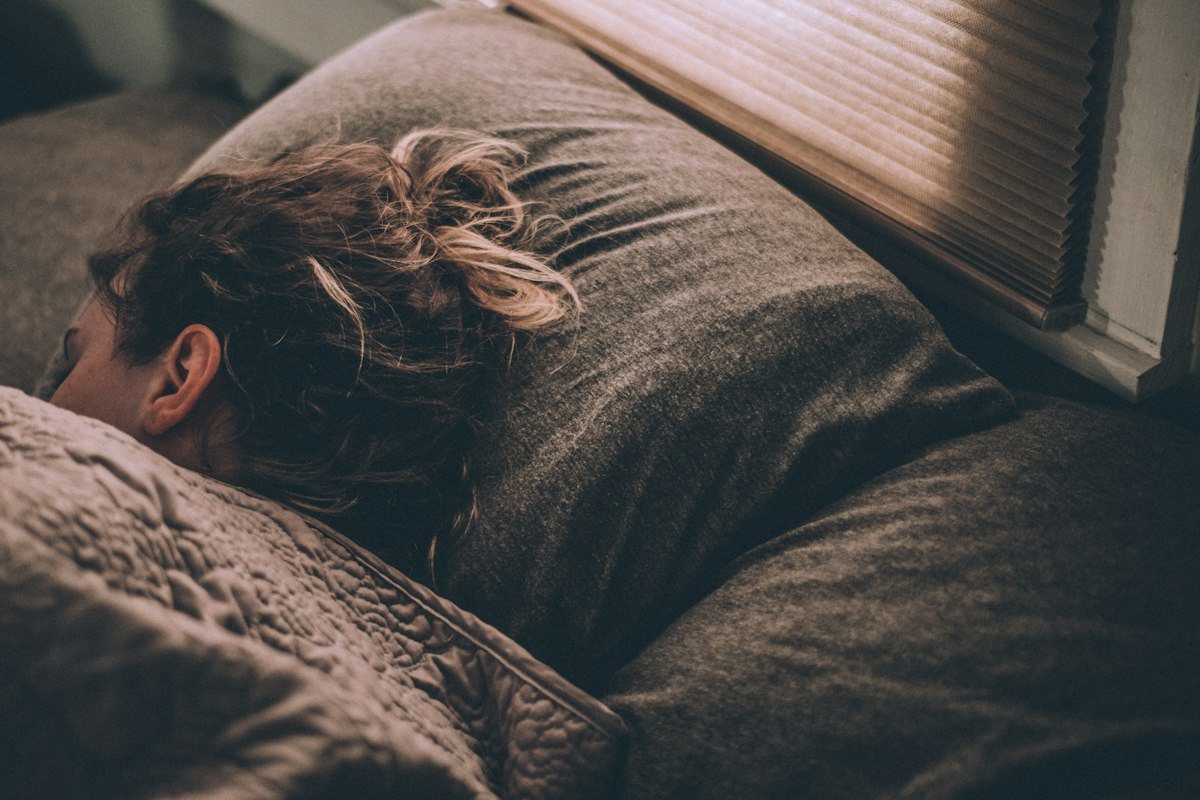
The CDC recommends that adults get at least seven hours of sleep a night. Short sleep is linked to trouble concentrating, low mood and long-term health problems, yet roughly one in three adults in the U.S. falls short.
Keep a steady schedule
Go to bed and get up at the same time every day, including weekends. A regular rhythm helps your body know when it is time to feel sleepy.
Make the bedroom dark, quiet and cool
Block light with curtains or a sleep mask, and use soft sound, like white noise in sleep headphones, if street noise or a snoring partner wakes you. Many people sleep best in a cool room, around the mid 60s Fahrenheit.
Put screens away
Bright screens late at night can make it harder to fall asleep. Try to stop scrolling 30 to 60 minutes before bed and keep phones off the nightstand.
Watch caffeine, alcohol and big meals
Caffeine can stay in your system for hours, so keep coffee to the morning. Alcohol and heavy meals close to bedtime can also disrupt sleep.
Know when to get help
- Loud snoring with gasping or pauses in breathing.
- Trouble sleeping most nights for several weeks.
- Feeling very sleepy during the day even after a full night in bed.
- In these cases, talk to your doctor.